Approaches -
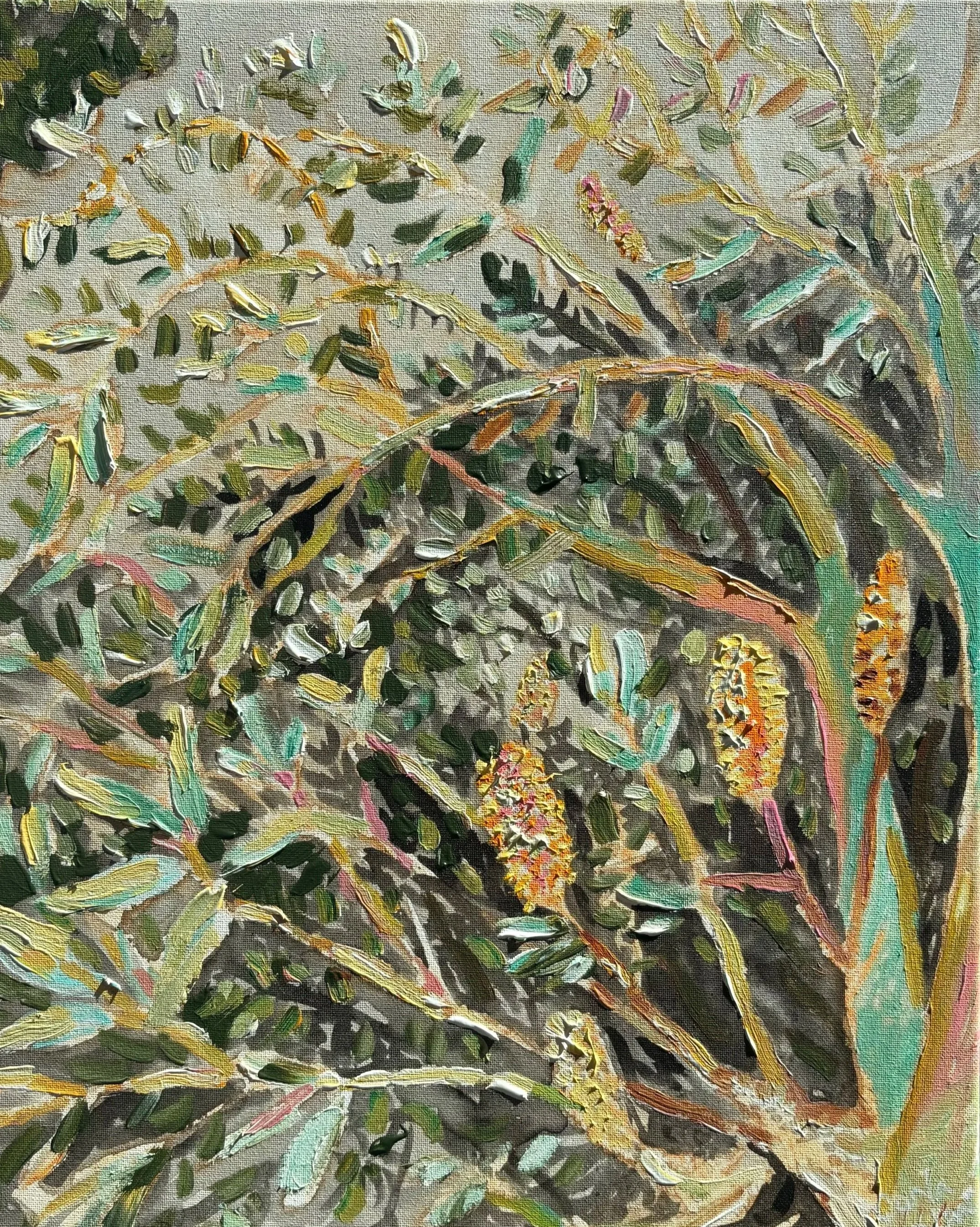
Image courtesy of Carla VanLaar
CBT & Art Therapy
When art therapy is combined with CBT, something powerful happens. Creative expression helps access what's beneath the surface —
the thoughts, feelings, and patterns we're not always aware of — while CBT provides the tools to understand and gently shift them.
Art helps bypass the pressure of finding the "right" words
CBT builds practical strategies for managing thoughts and behaviour
Together they address both heart and mind
-
A helpful way to understand this process is through the iceberg metaphor. The visible tip represents our conscious thoughts — what we're aware of and can easily express. Beneath the surface lies a much larger, less visible layer: our unconscious experiences, emotions, and patterns.
Engaging in art-making can help bring aspects of this deeper layer into awareness, often making it easier to explore and talk about. Art therapy taps into the unconscious, where there is no concept of time — what was relevant 30 years ago might still be as relevant today.
-
Trauma work requires careful handling. Integrating art therapy with CBT provides both safety and structure for processing trauma across three stages:
Safety & Stabilization — grounding, safe-space art, psychoeducation about trauma responses
Processing Trauma Safely — visual storytelling, metaphor-based art, cognitive restructuring
Integration & Meaning-Making — resilience narratives, post-traumatic growth, self-compassion
This combined approach supports deeper insight and can create meaningful, lasting shifts in how you understand and respond to your experiences.